3. DAMAGE; INTERFERENCE BOTH “SUBSTANTIAL” AND “UNREASONABLE“
In fulfilling this element, ‘the plaintiffs must show matters sufficient to establish a nuisance, … and they must show that they have suffered damage as a result of any nuisance committed by the defendants’: Harris J at 655, Oldham v Lawson (No 1) [1976] VR 654.70 Harris J observed at 655 from the decided cases to define an actionable nuisance:
To establish a nuisance, the plaintiffs must show that there has been a substantial degree of interference with their enjoyment of their house… What constitutes such a substantial degree of interference must be decided according to what are reasonable standards for the enjoyment of those premises. What are reasonable standards must be determined by common sense, taking into account relevant factors, including what the Court considers to be the ideas of reasonable people, the general nature of the neighbourhood and the nature of the location at which the alleged nuisance has taken place, and the character, duration and time of occurrence of any noise emitted, and the effect of the noise.71
i. Interference causing material damage
In assessing the damage, the plaintiff must have suffered material damage, as demonstrated in St Helen’s Smelting Co v Tipping (1865) 11 HL Cas 642, Here, it was the killing of trees through the emittance of copper noxious fumes from the smelting company.
Ward J held at 167 that ‘[a] material and unreasonable interference can include both physical damage to property and non-physical damage’ (Quick v Alpine Nurseries Sales Pty Ltd [2010] NSWSC 1248).
Nonfeasance:
Nonfeasance is a failure to perform an act that is required by law.72 The court considers the defendant’s subjective ability to take such steps (Goldman v Hargrave (1966) 115 CLR 45873 at 657; see also Leakey v National Trust [1980] QB 485; Stockwell v Victoria [2001] VSC 497).
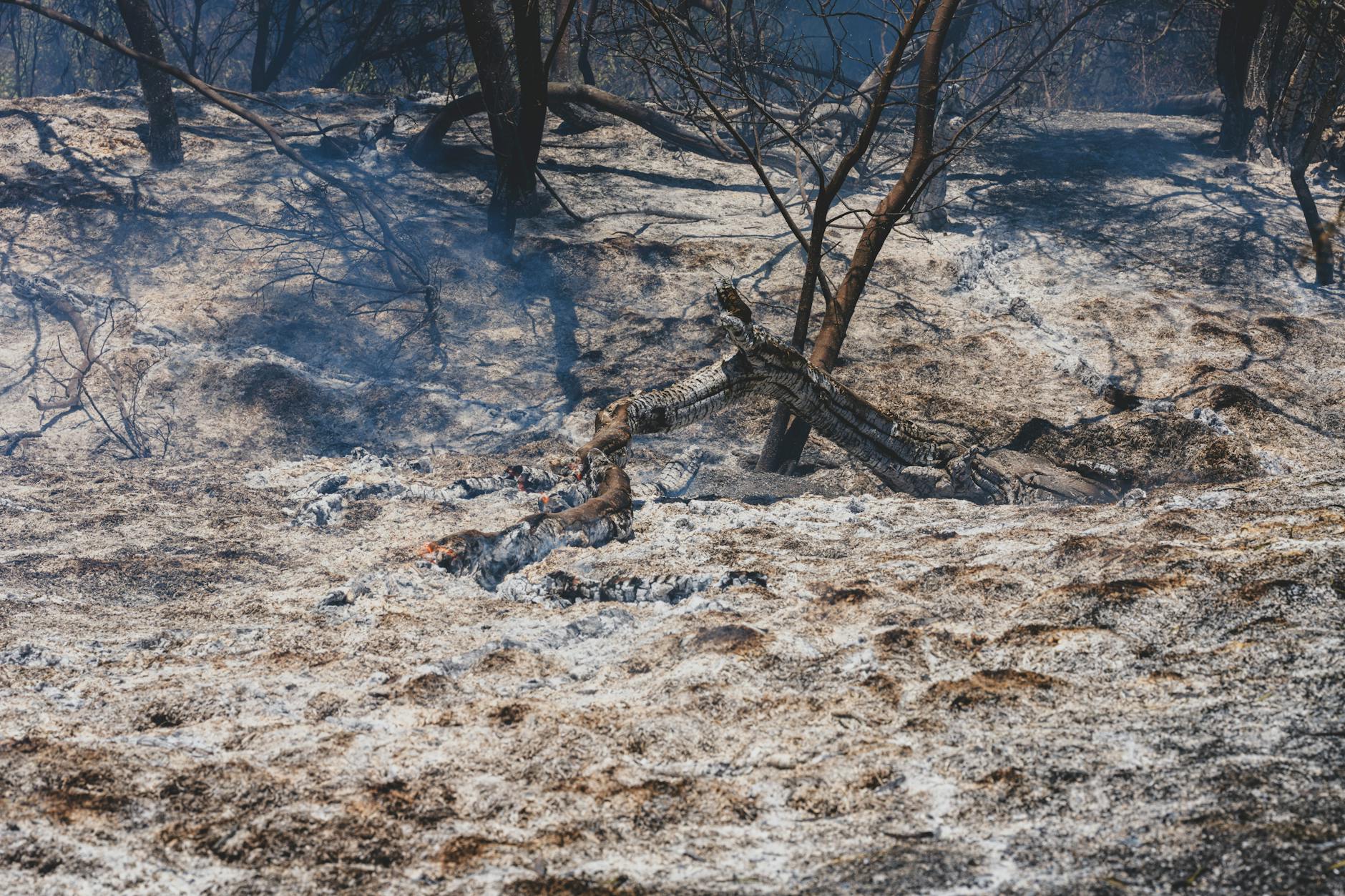
In Hargrave v Goldman (1966) 115 CLR 458 (HCA); Goldman v Hargrave [1967] 1 AC 645 (PC), lightning struck a gum tree on Goldman’s property, igniting a fire. Weather conditions caused the fire to spread, resulting in extensive damage to neighbouring properties.74 The Privy Council upheld the High Court’s decision, holding Goldman liable for the damage caused for failing to take reasonable steps to prevent the fire’s spread, after he became aware of the potential danger.75
In Leakey v National Trust [1980] QB 485, the Court held landowners liable for nuisances caused by natural causes such as weathering. The defendant’s instability of land resulted in soil and detritus falling onto the plaintiff’s property. The defendant had knowledge of but failed to take reasonable steps to end the nuisance (see also Stockwell v Victoria [2001] VSC 497).
Misfeasance:
The negligent or otherwise improper performance of a lawful act.76 The traditional view, the defendant is strictly liable for results of that misfeasance — it was considered irrelevant the defendant took all reasonable care and skill to prevent the thing complained of from being a nuisance: St Helen’s Smelting Co v Tipping (1865) 11 HL Cas 642; Rapier v London Tramways Co [1893] 2 Ch 588, 600.
In Rapier v London Tramways Co [1893] 2 Ch 588, a tramway company, was held liable for the nuisance caused by the smell and noise from their horse stables in a densely populated residential area in London. Despite taking reasonable steps to minimise the smell, statutory powers did not justify the nuisance.77
II. Interference with the use and enjoyment of land that is both “substantial” and “reasonable”

An interference with the ‘use and enjoyment of land’ that is both ‘substantial and reasonable’ is demonstrated in Munro v Southern Dairies [1955] VLR 332. The plaintiff, a neighbour, sought an injunction against the dairy operation for noise, smell, and flies from their stables. The Supreme Court of Victoria held that the defendant’s activities significantly interfered with the plaintiff’s use and enjoyment of their property. Despite the defendant’s contention of essential and economically necessary operations, the Court granted an injunction to abate the nuisance.
In a ‘discomfort’ case, the relevant standard is that the inconvenience must be ‘more than fanciful, more than one of mere delicacy or fastidiousness’ and something which would materially interfere ‘with the ordinary comfort physically of human existence, not merely according to elegant or dainty modes and habits of living, but according to plain and sober and simple notions’: Walter v Selfe (1851) 64 ER 849 at 852 (Vice-Chancellor Knight-Bruce).78
Is the interference both “substantial” and “unreasonable”?
The damage suffered must be both substantial and unreasonable, per the legal reasoning of Scholl J in Munro v Southern Dairies Ltd [1955] VLR 332. Scholl J said at 334–335, that even the loss of one night’s sleep can amount to a private nuisance:
[T]here must be a substantial degree of interference with the comfort and convenience of the occupier who complains of a private nuisance, or with some other aspect of the use or enjoyment of his land. The interference must be so substantial as to cause damage to him. Nevertheless, in that case, it was held that the loss of a single night’s sleep caused by the noise of the dairy could amount to a substantial interference.79
An interference is likely to be weighed by the courts as both ‘substantial and unreasonable’ under the reasonable person test, considering all relevant factors such as locality, duration; the damage can then be interpreted as ‘reasonably foreseeable’.
II. Substantial and Unreasonable Factors:
The court will consider the factors and apply the relevant tests to determine whether the interference is both substantial and unreasonable, such as:
- Nature of activity,
- Locality,
- Duration,
- Abnormal sensitivity of the plaintiff,
- Motive,
- Community benefit,
- ‘Give and take’ principle.

1. Nature of activity Test
The interference must be more than ‘trivial’ or ‘trifling’ as set forth in St Helen’s Smelting Co v Tipping and Halsey v Esso Petroleum Co Ltd. This is a question of fact.
Non-physical interference can be actionable even if it does not extend to actual causation to the plaintiff — for example in Laws v Florenplace Ltd [1981] 1 A11 ER 659, the defendant transformed a shop into a sex shop in a residential area next to restaurants, food stores, and a transport terminal. The area was described as having a ‘marked and attractive village atmosphere’. The plaintiff, a resident in one of the streets, sought damages and a permanent injunction. Vinelott J held that:
[N]ot at least a triable issue of nuisance, even disregarding the risk of attracting undesirable. Even if discreetly conducted, the business would offer for sale hard pornography and would be a business deeply repugnant to the reasonable sensibilities of most ordinary men and women.80
In Haddon v Lynch [1911] VRL 5 affirmed (1911) VLR 230, on Sundays 8:00 am and other religious days, the church bells prevented the plaintiff from sleeping in due to the bell’s noise and was considered unreasonable. The Court granted an injunction and damages. Beckett J stated:
I think not exceptional, and that a large proportion of the dwellers in Melbourne suburbs would be found in bed and asleep at half-past 7 on a Sunday morning.
Also in McKenzie v Powley [1916] SALR 1, noise (singing) emanating from the Salvation Army meetings on Sunday mornings from 7:00 am amounted to nuisance.
2. Locality Test
Was the locality residential, rural, urban, or industrial at the time of interference?
Whether the nuisance is unreasonable greatly depends on where it occurred at the time the complaint was made, or interference occurred – the locality.
In resolving this, the courts apply the locality test to determine whether a nuisance is unreasonable at the time — specifically, what constitutes ‘reasonable use’ of the defendant’s property greatly depends on the ‘character of the locality’.
In considering whether any act amounts to a nuisance, regard must be had not only to the thing done, but to the surrounding circumstances — what would be a nuisance in one locality might not be in another: Sturges v Bridgman [1879] 11 Ch D 852.
In Sturges v Bridgman [1879] 11 Ch D 852, the plaintiff, a doctor, did not ‘come into nuisance’ merely because the neighbour (a confectioner) had been using his tools and property for over 20 years. The Court held that it was no defence:
… [I]t would be unjust if the nuisance maker had been permitted to continue with the nuisance indefinitely and without power of law to interrupt if this was to be considered a right acquired by long usage.
Even in rural environments there is a limit to what neighbours must endure: Domachuck v Feiner (1994) 35 NSWLR 485, 492–493. The defendants argued the smell was not offensive to constitute nuisance and that the plaintiff was ‘unduly sensitive’. However, it was resolved the smell was more than what was expected in a rural or semi-rural environment.
3. Duration (Frequency)
Time, Day/Night:
The duration and frequency of the interference as well as the extent, the time of day or night of which the interference took place is relevant. For example, in McKenzie v Powerly [1916] SALR 1, singing from the Salvation Army meetings on Sunday mornings from 7:00 am constituted a nuisance.
It may be determined the time was reasonable for the locality of an interference for the type of activity such as industrial, urban, semi-rural, rural, or residential area. However, the time of the occurrence in the morning or late at night can be considered unreasonable according to the standards of reasonable persons: Halsey v Esso Petroleum [1961] 2 All ER 145 (Veale J).
The claimant in Halsey v Esso Petroleum [1961] 2 All ER 145, owned a house near the defendant’s oil depot. During the night shift, noise came from the tankers, and an acid smell was emitted by steam boilers. The defendant was held liable for nuisance as it was attributed to the defendant’s ‘mode of operation‘ namely the night shift and the noise, according to Veale J, was an ‘[i]nconvenience materially interfering with the ordinary comfort of human existence according to the standards of ordinary and reasonable persons in Fulham’.81
Frequency (Intervals):
The court may find the duration of the interference as substantial and unreasonable in considering the facts of the case and how frequent the interference occurs. In Halsey v Esso Petroleum [1961] 2 All ER 14: ‘[The] longer and more frequent an interference is, the more likely it is that the court will consider it to be unreasonable interference’.
In view of the interference in duration, time, frequency and extent with the plaintiff’s use and enjoyment weighed against one another, the court may consider the interference both substantial and unreasonable: Seidler v Luna Park Reserve Trust (Supreme Court of NSW, Hodgson J, 21 September 1995, unreported).
The plaintiff in Seidler v Luna Park Reserve Trust (Supreme Court of NSW, Hodgson J, 21 September 1995, unreported), a resident living near Luna Park (Sydney), claimed noise from the park’s roller-coaster, operated frequently during school holidays and on weekends, constituted an unreasonable interference with his right to enjoy his home (especially weeknights). The Court held that the noise was an unreasonable interference with the plaintiff’s property rights.
4. Abnormal sensitivity of plaintiff
Is there an abnormal sensitivity of the plaintiff towards the interference?
In considering whether there is an abnormal sensitivity of the plaintiff towards the interference, the courts apply the ‘reasonable persons’ test (determined by the standards of a ‘normal person’). The defence may have a compelling argument that the plaintiff’s hypersensitivity and reaction to the interference is caused by his/her abnormal sensitivity.
In Robinson v Kilvert (1889) 41 Ch D 88, the Court of Appeal dismissed the claim, ruling that the conditions in the factory were not unusual and that the damage was due to the unusual sensitivity of the claimant’s brown paper. A person cannot claim nuisance if their property is unusually sensitive and would not have been damaged under normal circumstances.82
However, in McKinnon Industries Ltd v Walker [1951]3 DLR 577, the Privy Council held that an interference can be considered a nuisance regardless of the plaintiff’s sensitivity. The Court found that the fumes and smut were a nuisance because they significantly impacted the ordinary use of the claimant’s land with the damage suffered was serious, ongoing, and getting worse.83
Did the interference go beyond a triviality?
If the interference did not cause injury in health to the plaintiff, the defendant could still be held liable if the interference is beyond a ‘triviality‘. For example, in a ‘smell’ action circumstance in Halsey v Esso Co Ltd [1961] 2 All ER 145, the Queen’s Bench Division, Veale J held the defendant liable, in that:
… [I]njury to health was not required for a nuisance by smell action since “the pungent smell from time to time emitted went far beyond a triviality and was more than would affect a sensitive person”, it was, in view of its frequency, actionable.84
5. Motive (Malice)
Nuisance focuses on what is reasonable from the plaintiff’s view of what they have to put up with, in contrast to a negligence action, it does not focus on the defendant’s conduct – specifically, the law does not take into consideration the ‘social utility‘ of the defendant (Munro v Southern Dairies [1955] VLR 332).
Was there a motive on the part of the defendant?
In determining motive, while the social utility of the defendant’s conduct is not considered (affirmed in Munro v Southern Dairies Ltd [1955] VLR 333), the court may consider whether the activity is conducted with maliciousness to cause ‘annoyance or stress to the plaintiff preventing the use and enjoyment of his or her land’.85
In Stoakes v Brydes [1958] QWN 5, the sound of the telephone interfered with the comfort and health of persons in the ordinary enjoyment of their premises that extended to sleep86 (see also Christie v Davey [1893] 1 Ch 316). Townley J observed that ‘motive may be relevant in determining whether an interference amounted to a nuisance’.87
The issue in Christie v Davey [1893] 1 Ch 316, was whether the defendant’s actions constituted a nuisance and whether Christie’s music lessons were a legitimate use of his property. North J granted an injunction, and the Court held that Davey’s actions were a malicious response (motivated by malice and therefore unreasonable) to the noise from Christie’s music lessons and thus constituted a private nuisance.88
However, in Hollywood Silver Fox Farm v Emmett [1936] 2 KB 468, malice can be considered a relevant factor where a plaintiff has particular sensitivities. The foxes on the plaintiff’s farm (fur), were susceptible to breeding issues and could be provoked into killing their young (eeek).89 The defendant, aiming to disrupt the claimant’s business, instructed his son to fire guns on their land near the property.90 The High Court of Justice found that the defendant’s malicious actions constituted a private nuisance, despite the foxes’ ‘unusual sensitivity’.91
6. Community benefit
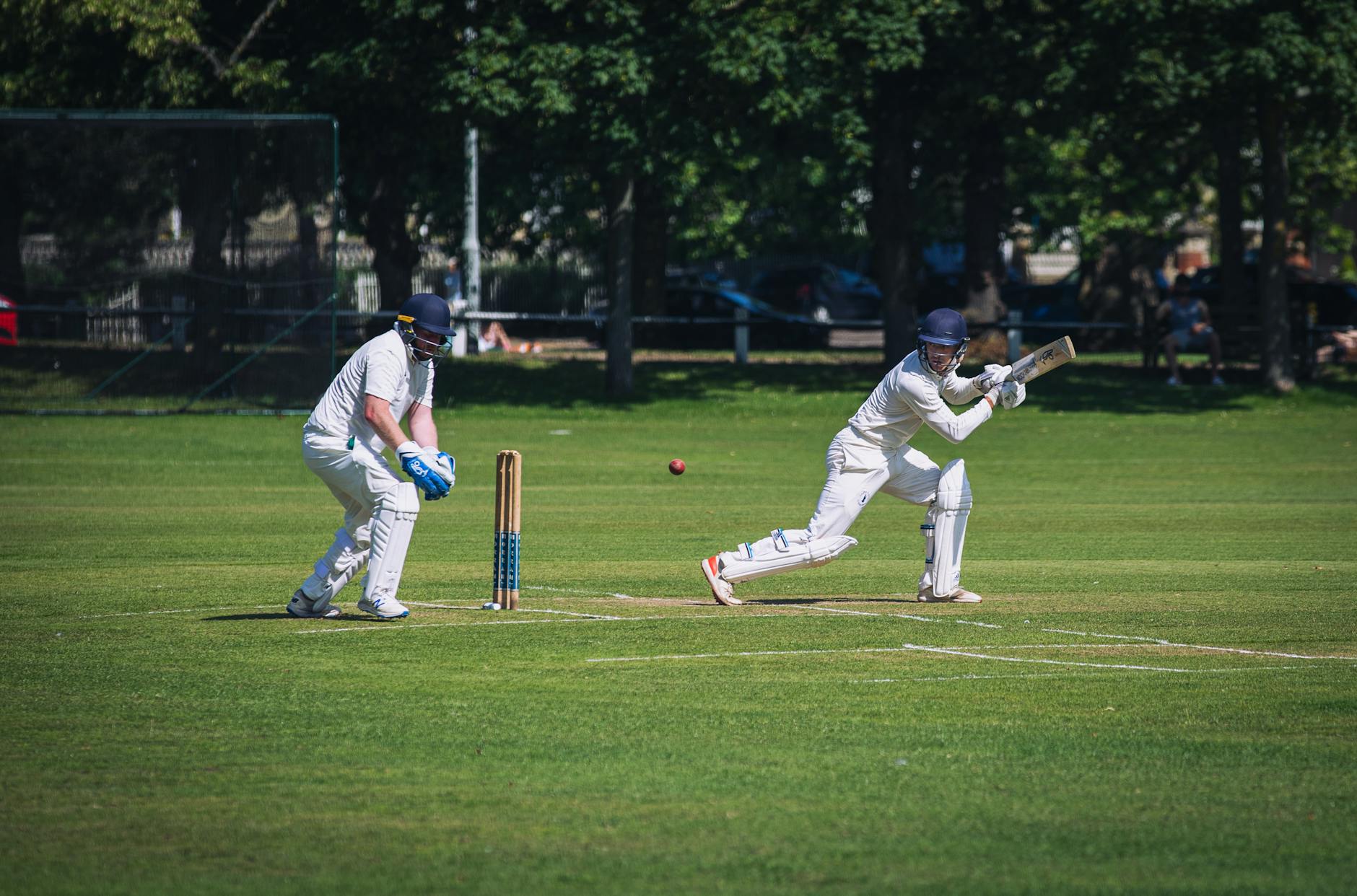
Benefit to the community could be considered by the court as a factor ‘in assessing if the use is reasonable’: Miller v Jackson [1977] 3 WLR 20. In applying the ‘reasonable use’ test, given the cricket club’s long history and community benefit, Lord Denning took the proposition that cricket was in the public interest which ‘ought to be balanced against the private interest of the plaintiffs’.92
7. “Give and take” principle
The law recognises there must be some “give and take, live and let live” between neighbours, as Lawton LJ asserted in Kennaway v Thompson [1981] QB 88 at 94:
The question is whether the neighbour is using his property reasonably, having regard to the fact he has a neighbour. The neighbour who is complying must remember, too, that the other man can use his property in a reasonable way and there must be a measure of ‘give and take, live and let live’.93
Activities necessary for the common and ordinary use and occupation of land and houses will not generate liability in nuisance (see Bamford v Turnley (1862) 122 ER 25, 33 per Bramwell B).