
2. INTERFERENCE WITH A LEGALLY RECOGNISED RIGHT
Has the defendant interfered with the plaintiff’s legally recognised property rights?
For this element to be fulfilled, there must be an interference with the plaintiff’s legally recognised right attached to the land (see Munro v Southern Dairies [1955] VLR 332).
Rights capable of protection:
Right of access to and from land:
Examples can include access to and from highways/roads. In Jeffrey v Honig [1999] VSC 337, escaped cows blocked the road and caused damage to the plaintiff’s property.
Right of support from adjoining property:
The removal of an adjoining support can amount to an interference. In Pantalone v Alaouie (1989) 18 NSWLR 119, the defendants were held liable for the collapse of a two-story building due to the removal of a lateral supporting wall.
Riparian rights:
Riparian rights are the rights of landowners whose properties have a running body of water, such as water supply, river or stream. In Grant Pastoral Co Pty Ltd v Thorpe’s Ltd (1953) 54 SR (NSW) 129, the defendant’s embankment was considered to have obstructed the natural flow of water, causing damage to the plaintiff’s land.
Right to enjoy and use land with undue interference:
This includes the right to enjoy and use the land from excessive smell, fumes, dust, noise and vibrations: Sturges v Bridgman (1879) 11 Ch D 852. In this case, the defendant, a confectioner, operated a noisy pestle and mortar for over 20 years. The plaintiff, a doctor who moved next door, alleged that the noise and vibration disrupted his professional activities. The defendant’s assertion of a prescriptive easement based on prolonged use was not upheld as a valid defence.
Right to a view:
In Victoria Park Racing & Recreation Grounds Co Ltd v Taylor (1937) 58 CLR 479, a platform overlooking the racecourse, did not amount to a private nuisance.
Intrusive viewing:
In the recent UK case Fearn v Tate Gallery [2023] UKSC 4, the Supreme Court of Appeal held that ‘intrusive viewing’ is capable of being an actionable interference in private nuisance. The plaintiffs from neighbouring flats to the Tate Modern claimed visitors to their high viewing platform could see directly into their flats, causing substantial interference with their use and enjoyment of their property.
Right to airflow:
The common law does not recognise a right to air movement, and diminished air flow is not actionable in nuisance, as established in Chastey v Ackland [1895] 2 Ch 389 at 402:
… [A]part from long enjoyment, or some grant or agreement, no one has a right to prevent his neighbour from building on his own land, although the consequence may be to diminish or alter the flow of air over it on to land adjoining.62
Right of access to sunlight:
In Bury v Pope (1586) 1 Cro Eliz 118, 78 ER 375, the plaintiff sued his neighbour for obstructing the light and air to his windows. The Court held that the plaintiff’s interest in maintaining unobstructed light and air must yield to the neighbour’s right to build on their adjoining property (see, generally Prah v Maretti (1982) 108 Wis 2d 223, 321 NW2d 182).63
In Prah v Maretti (1982) 108 Wis 2d 223, 321 NW2d 182, the plaintiff relied on solar panels for home temperature regulation.64 The Court determined that the defendant’s adjacent construction obstructed sunlight, interfering with the solar energy process, and issued an injunction.64 This case used private nuisance to protect the landowner’s access to sunlight.
Deliberate surveillance:
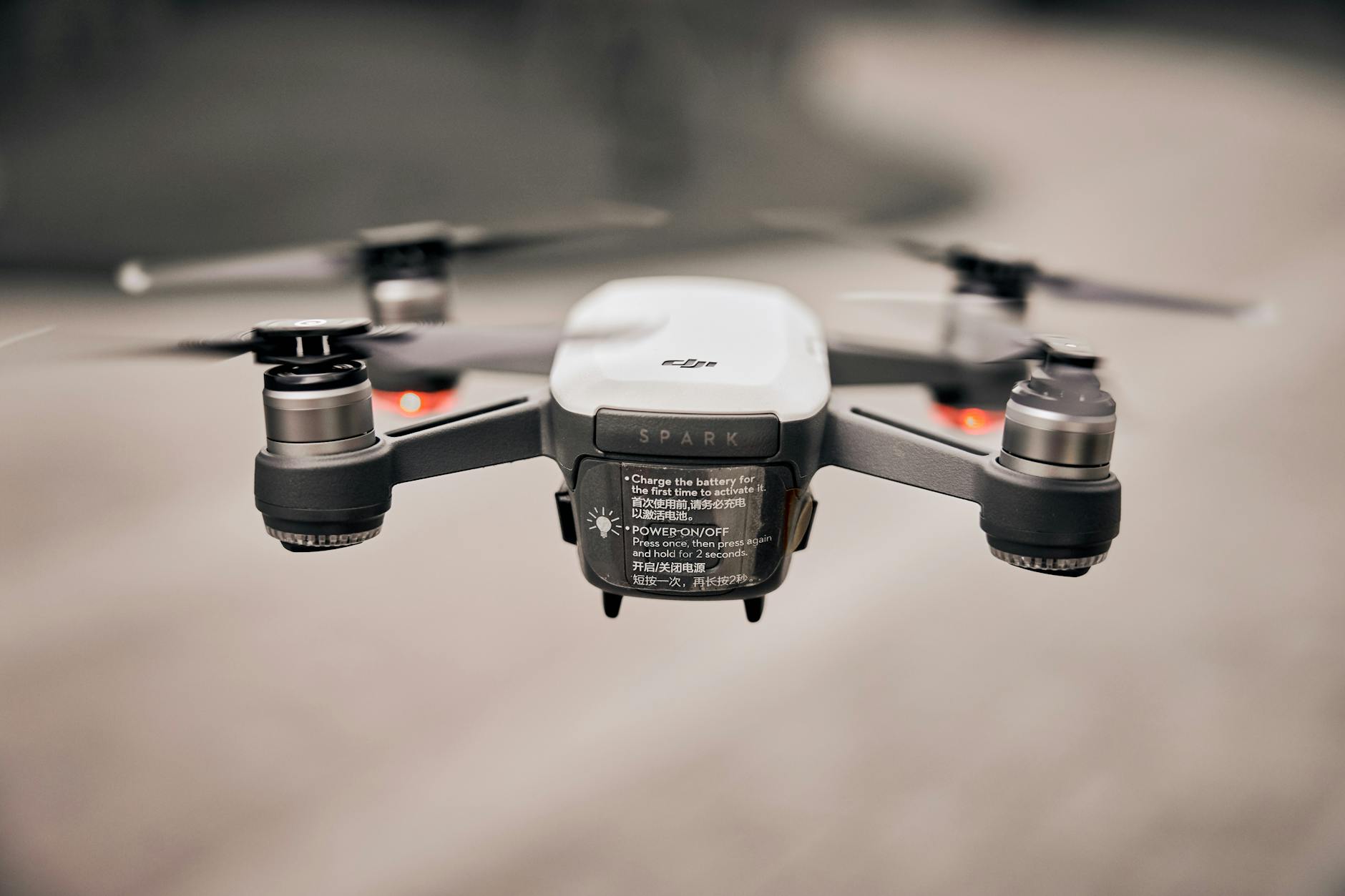
In Raciti v Hughes (1995) 7 BPR 14, 837, the surveillance of the plaintiff’s property amounted to nuisance. The defendant installed video equipment and motion-activated lighting, which triggered upon detecting movement or noise. As a result, whenever the plaintiff and her family entered their backyard, the lights activated, and the video equipment presumably recorded their activities.66
Television reception:
The interference with television reception does not necessarily constitute an actionable nuisance but may in certain circumstances.67 In Hunter and Others v Canary Wharf Ltd [1997] AC 655, the building of the Canary Wharf Tower interfered with the plaintiff’s TV signals by blocking them. Lord Hoffman held at 710–711 that ‘no action lay in private nuisance for interference with television caused by the mere presence of a building’.68
Bright lights:
In Raciti v Hughes (1995) 7 BPR 14,69 the concentration of bright lights (floodlights) in the plaintiff’s backyard constituted a private nuisance (see also Abbott v Arcus (1948) 50 WALR 41; Bank of New Zealand v Greenwood [1984] 1 NZLR 525).
